

Over 90 million stories have been published on Wattpad alone, proving that digital storytelling platforms have revolutionized how writers share their work. The days of waiting for traditional publishers to discover talent are over—today’s writers can build audiences, earn income, and perfect their craft using websites to write stories that connect them directly with readers worldwide.
Whether you’re crafting your first short story or serializing the next viral novel, choosing the right platform can make the difference between writing in isolation and building a thriving readership. This comprehensive guide explores the top websites to write stories, helping you find the perfect platform to launch your creative journey.
Key Takeaways
• Multiple platform types exist: Writing-only tools, publishing platforms with built-in audiences, and community-based storytelling sites each serve different writer needs
• Audience matters most: Platforms like Wattpad offer instant readership, while tools like Google Docs focus purely on the writing process
• Monetization varies widely: Some platforms offer direct income through subscriptions (Substack) or partner programs (Medium), while others build audiences for future monetization
• Start simple and scale up: Begin with user-friendly platforms before moving to more complex tools as your skills and audience grow
• Consistency beats perfection: Regular posting and reader engagement matter more than having flawless first drafts
What Are Websites to Write Stories?
Websites to write stories are digital platforms that provide writers with tools to create, edit, format, and publish their fiction online. These platforms range from simple word processors to comprehensive publishing ecosystems complete with built-in audiences and monetization features.
Types of Story Writing Platforms
Writing-Only Tools focus on the creation process, offering distraction-free environments with formatting options, collaboration features, and organizational tools. These platforms prioritize the writing experience over publishing or audience building.
Publishing Platforms with Audiences combine writing tools with established readerships. Writers can publish directly to engaged communities without needing to build followers from scratch. These platforms often include discovery algorithms that help new writers find readers.
Community-Based Storytelling Sites emphasize interaction between writers and readers through comments, reviews, and social features. Many successful authors have launched careers by building loyal followings on these platforms before transitioning to traditional publishing.
Benefits of Using Story Writing Websites
Modern story platforms eliminate traditional publishing barriers while providing instant feedback from readers. Writers can test different genres, experiment with serialized storytelling, and refine their writing skills through community engagement. Many platforms also offer analytics showing which stories resonate most with audiences, helping writers understand their strengths.
The collaborative nature of these platforms creates opportunities for peer learning and mentorship that isolated writing rarely provides. Additionally, successful stories on these platforms often attract attention from literary agents and publishers seeking new talent.
Best Websites to Write Stories: Top Platform Reviews
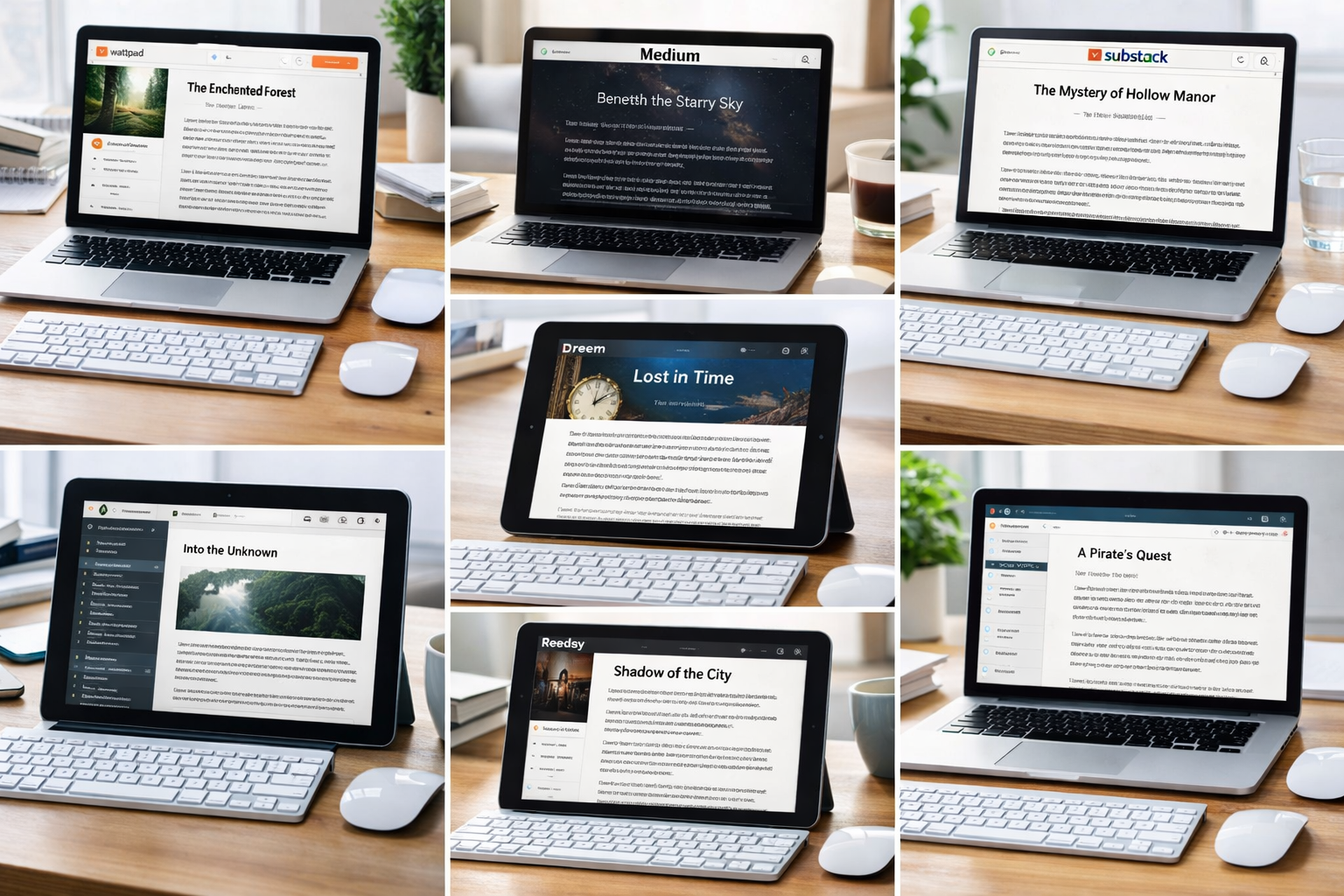
1. Wattpad 📚
Best for: Fiction writers seeking immediate audience engagement
Wattpad dominates the social storytelling space with over 90 million users worldwide. The platform excels at connecting writers with readers who actively seek new stories, particularly in genres like romance, fantasy, and young adult fiction.
Key Features:
- Built-in audience of millions of active readers
- Chapter-by-chapter publishing for serialized stories
- Robust commenting and voting system
- Mobile app with offline reading capabilities
- Contest opportunities and featured story programs
Pros: Massive readership, strong community engagement, excellent for building followers
Cons: Algorithm can be difficult to crack, younger demographic may not suit all genres
Cost: Free with premium Wattpad+ subscription available
2. Medium ✍️
Best for: Literary storytelling and narrative non-fiction
Medium bridges the gap between blogging and literary publishing, offering a sophisticated platform for writers who want to reach educated, engaged readers. The platform’s curation system helps quality content find appropriate audiences.
Key Features:
- Clean, distraction-free writing interface
- Partner Program for monetization
- Professional editing tools and formatting
- Built-in SEO optimization
- Social sharing and highlighting features
Pros: High-quality readership, monetization potential, professional appearance
Cons: Algorithm favors established writers, less community interaction than other platforms
Cost: Free to write, $5/month for unlimited reading
3. Substack 📧
Best for: Writers building direct subscriber relationships
Substack revolutionizes writer-reader relationships by combining email newsletters with web publishing. Writers can build dedicated audiences willing to pay for premium content, creating sustainable income streams.
Key Features:
- Email newsletter integration
- Subscription-based monetization
- Podcast hosting capabilities
- Simple, elegant publishing tools
- Direct payment processing
Pros: Direct monetization, loyal subscriber base, excellent for serialized content
Cons: Requires audience building from scratch, limited discovery features
Cost: Free with 10% fee on paid subscriptions
4. Reedsy 🛠️
Best for: Serious writers seeking professional-quality tools
Reedsy targets authors planning to publish professionally, offering advanced formatting tools and connections to industry professionals. The platform emphasizes quality over quantity.
Key Features:
- Professional book formatting tools
- Access to editors, designers, and marketers
- Writing prompts and contests
- Collaboration tools for working with professionals
- Export options for various publishing formats
Pros: Professional-grade tools, industry connections, high-quality community
Cons: Steeper learning curve, limited built-in audience
Cost: Free writing tools, paid services for professional assistance
5. Squibler 🤖
Best for: Writers wanting AI assistance and advanced organization
Squibler combines traditional writing tools with artificial intelligence features, helping writers overcome creative blocks and organize complex projects efficiently.
Key Features:
- AI-powered writing assistance
- Advanced project organization tools
- Character and world-building templates
- Goal tracking and progress monitoring
- Collaboration features for co-authors
Pros: AI assistance for creativity, excellent organization tools, good for long-form projects
Cons: No built-in audience, subscription required for full features
Cost: Free plan available, premium plans from $16/month
6. Storybird 🎨
Best for: Visual storytelling and beginner writers
Storybird uniquely combines artwork with storytelling, inspiring writers through beautiful illustrations. The platform works particularly well for short stories and creative exercises.
Key Features:
- Artwork-inspired story creation
- Simple, intuitive interface
- Educational tools for teachers
- Community challenges and prompts
- Print-on-demand publishing options
Pros: Visual inspiration, beginner-friendly, unique creative approach
Cons: Limited audience, focus on shorter works
Cost: Free basic plan, premium features available
7. Google Docs 📝
Best for: Simple, collaborative story writing
While not specifically designed for storytelling, Google Docs provides reliable, accessible writing tools with excellent collaboration features. Many successful authors draft entire novels using this platform.
Key Features:
- Real-time collaboration
- Automatic cloud saving
- Voice typing capabilities
- Comment and suggestion system
- Easy sharing and export options
Pros: Completely free, reliable, excellent collaboration, works anywhere
Cons: No publishing features, limited formatting options, no built-in audience
Cost: Free
How to Choose the Best Website for Writing Stories
Selecting the right platform depends on your specific goals, experience level, and target audience. Consider these essential questions before committing to a platform:
Key Questions to Ask Yourself
Do you want an audience or just writing tools? If you’re focused purely on craft development, simple tools like Google Docs might suffice. However, if you want reader feedback and community engagement, platforms with built-in audiences like Wattpad or Medium work better.
What genre do you write? Different platforms attract different reader demographics. Wattpad skews younger and favors romance and fantasy, while Medium attracts readers interested in literary fiction and thoughtful narratives.
Do you want to monetize your writing? Platforms like Substack and Medium offer direct monetization, while others focus on audience building that can lead to future income opportunities.
Critical Factors to Consider
Ease of Use matters more than advanced features for most writers. A platform you’ll actually use consistently beats a feature-rich tool that intimidates you into procrastination.
Community Size and Engagement directly impact your potential readership. Larger communities offer more readers but also more competition for attention.
Features and Flexibility become important as your writing evolves. Consider whether you need advanced formatting, collaboration tools, or analytics to track your progress.
Cost Structure varies significantly between platforms. Free options work well for beginners, but paid platforms often provide better tools and fewer limitations as you advance.
Understanding what makes a great writer can help you choose platforms that support your development areas while leveraging your existing strengths.
Step-by-Step: Getting Started on Story Writing Websites
Step 1: Choose Your Platform
Match the platform to your immediate goals rather than trying to be everywhere at once. New writers often benefit from starting with audience-focused platforms like Wattpad or Medium to receive feedback while developing their skills.
Step 2: Set Up Your Profile
Create a compelling bio that clearly states what types of stories you write and what readers can expect. Include a professional photo and links to other writing if available. Your profile serves as your first impression on potential readers.
Step 3: Start Your First Story
Focus on writing compelling introductions that hook readers immediately. Keep your first published pieces simple and complete rather than attempting complex, ongoing serials. Success with shorter works builds confidence and readership for longer projects.
Step 4: Maintain Consistency
Regular posting schedules build reader expectations and platform algorithm favor. Even posting once weekly creates momentum that sporadic updates cannot match. Consistency matters more than perfection in the early stages.
Step 5: Engage with Your Community
Respond to comments thoughtfully and read other writers’ work in your genre. Genuine engagement builds relationships that translate into loyal readership. Many successful platform writers attribute their growth to active community participation rather than just publishing content.
Tips for Success on Story Writing Platforms
Master the Art of Hooks 🎣
Your opening lines determine whether readers continue past the first paragraph. Study successful stories on your chosen platform to understand what captures attention in that specific community.
Embrace Serialization 📖
Many online platforms favor serialized content that keeps readers returning. End chapters with questions or cliffhangers that create anticipation for the next installment.
Study Platform Analytics 📊
Most platforms provide data about when your audience is most active, which content performs best, and how readers discover your work. Use this information to optimize your posting schedule and content strategy.
Develop Your Unique Voice 🎤
Authenticity resonates more than trying to copy successful writers. Readers can sense genuine passion and personality in writing, which builds stronger connections than technically perfect but soulless prose.
Cross-Promote Strategically 🔄
Build presence on multiple platforms gradually, using each to drive traffic to others. However, avoid spreading yourself too thin initially—master one platform before expanding.
Learning to overcome writer’s block becomes crucial when maintaining regular publishing schedules on these platforms.
Common Mistakes to Avoid When Using Story Websites
Inconsistent Posting Schedules kill momentum faster than any other factor. Readers who expect regular updates will move on to other writers who deliver predictably. If you can only post monthly, commit to that schedule rather than promising weekly updates you can’t maintain.
Ignoring Reader Feedback wastes valuable learning opportunities. While not every comment requires implementation, patterns in feedback reveal areas for improvement that self-editing often misses.
Choosing Platforms Based on Features Rather Than Audience leads to writing for empty rooms. A platform with fewer features but active readers in your genre will serve you better than sophisticated tools with no community engagement.
Publishing First Drafts Without Basic Editing undermines your credibility and reader experience. While online platforms allow for more informal publishing than traditional routes, basic proofreading and story coherence remain essential.
Neglecting Platform-Specific Best Practices reduces your visibility and engagement. Each platform has unique algorithms, formatting preferences, and community norms that affect your success.
Understanding common writing mistakes helps you avoid errors that can damage your reputation on these public platforms.
Monetizing Your Stories on Writing Websites
Direct Platform Monetization 💰
Medium Partner Program pays writers based on member engagement with their stories. Successful Medium writers earn anywhere from $100 to several thousand dollars monthly, with payment depending on story quality, audience engagement, and publication frequency.
Substack Subscriptions allow writers to charge readers directly for premium content. Writers with 1,000 paying subscribers at $5 monthly earn $60,000 annually before Substack’s 10% fee. Building this subscriber base typically takes 6-12 months of consistent, high-quality content.
Wattpad Paid Stories enables established writers with large followings to monetize their most popular content through Wattpad’s premium program.
Indirect Monetization Strategies 📈
Building Email Lists through story platforms creates direct communication channels with readers. Many writers offer free stories on platforms while building email lists for future book launches or premium content sales.
Attracting Publishing Opportunities happens frequently on popular platforms. Literary agents and publishers actively scout successful online writers, leading to traditional publishing contracts.
Developing Writing Services becomes possible as you build credibility and demonstrate expertise. Successful platform writers often transition into freelance editing, ghostwriting, or writing coaching services.
For writers interested in expanding beyond fiction, exploring opportunities to get paid to write stories can provide additional income streams while developing your craft.
Advanced Strategies for Platform Success
Cross-Platform Content Strategy 🌐
Successful writers often repurpose content across multiple platforms while respecting each community’s preferences. A story published on Wattpad might become a newsletter series on Substack or inspire related articles on Medium.
Building Author Brands 🏷️
Consistent themes, writing styles, and reader interaction approaches help establish recognizable author brands that transcend individual platforms. This brand recognition becomes valuable when launching new projects or transitioning between platforms.
Leveraging Analytics and Data 📊
Advanced writers track metrics across platforms to identify which content types, posting times, and engagement strategies work best for their specific audience. This data-driven approach accelerates growth compared to intuitive posting alone.
Community Leadership 👥
Becoming a helpful, knowledgeable community member often leads to platform recognition, featured content opportunities, and organic audience growth that paid promotion cannot match.
Understanding how to structure compelling narratives becomes increasingly important as you develop more sophisticated stories for these platforms.
Conclusion
The best websites to write stories are those that match your current skill level, genre preferences, and career goals while providing the motivation to write consistently. Whether you choose Wattpad’s massive community, Medium’s professional atmosphere, or Substack’s direct monetization model, success depends more on regular engagement and quality storytelling than platform features alone.
Start with one platform that excites you most, commit to posting regularly for at least three months, and engage genuinely with the community. As you develop confidence and readership, you can expand to additional platforms or transition to more advanced tools.
The digital storytelling revolution has democratized publishing, giving every writer access to global audiences that previous generations could never reach. Your stories deserve to be shared—choose a platform today and publish your first piece this week. The readers waiting to discover your unique voice won’t find you until you start sharing your work with the world.
Remember that every successful author started with a single published story. Your journey from aspiring writer to established storyteller begins with selecting the right platform and taking that crucial first step of hitting “publish” on your debut piece.


