

Every aspiring novelist faces the same daunting challenge: transforming a brilliant story idea into a complete, compelling manuscript. While the spark of creativity might ignite your imagination, the journey from concept to finished novel can feel overwhelming without proper guidance and structure. A Writing a Novel Workbook serves as your roadmap through this complex creative process, offering step-by-step exercises and organized frameworks that turn chaotic inspiration into polished prose.
Key Takeaways:
• A Writing a Novel Workbook provides structured exercises that break novel writing into manageable, actionable steps
• Interactive prompts help develop characters, plot, setting, and themes systematically rather than randomly
• Workbooks prevent writer’s block by offering guided questions and creative exercises when inspiration runs dry
• Both digital and printable formats offer unique advantages for different writing styles and preferences
• Creating a personalized workbook system can dramatically improve your writing consistency and story development
What Is a Writing a Novel Workbook?
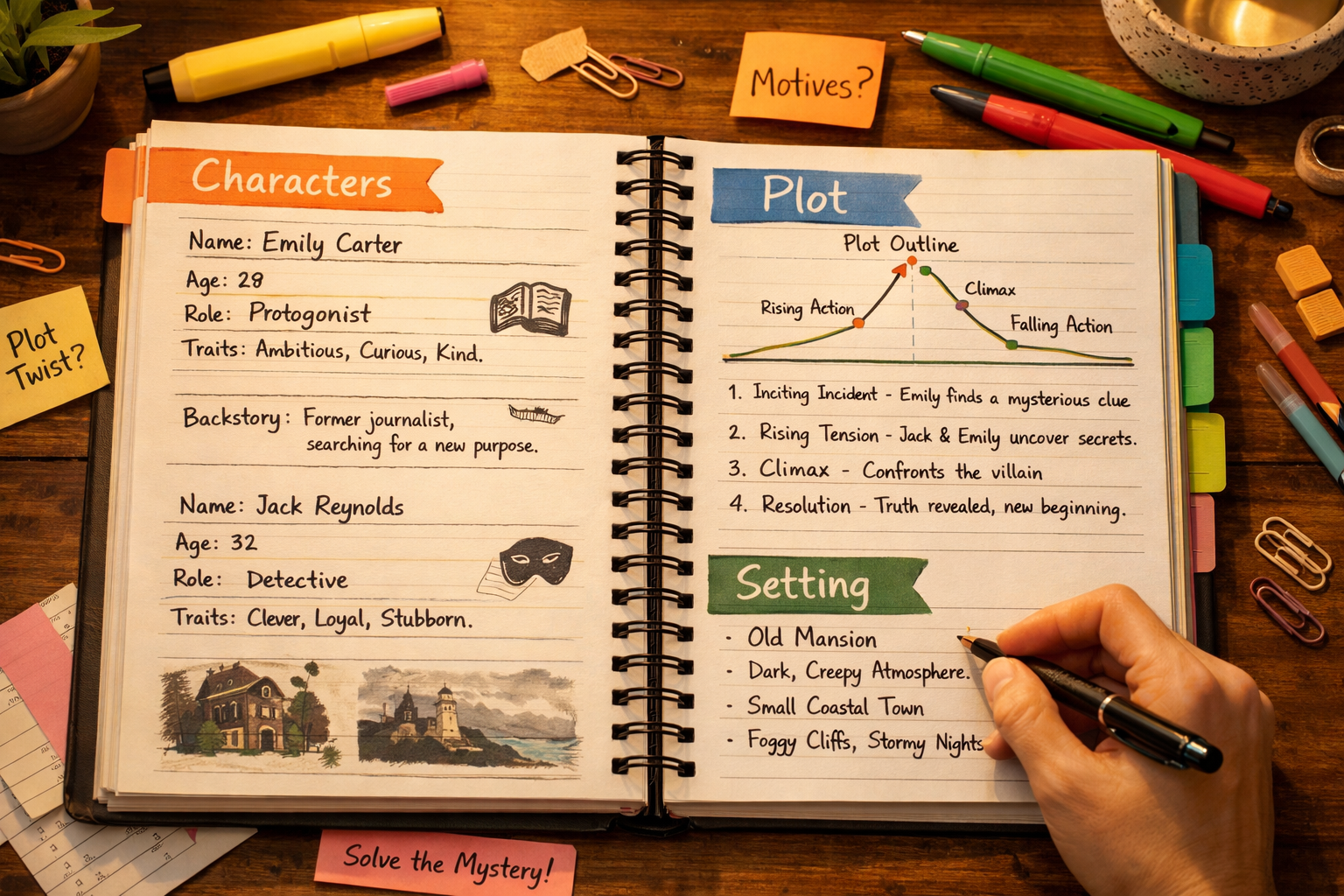
A Writing a Novel Workbook is an interactive guide that combines instructional content with hands-on exercises designed to help writers develop their stories methodically. Unlike traditional writing guides that simply explain concepts, these workbooks require active participation through fill-in-the-blank sections, character questionnaires, plot mapping exercises, and creative prompts.
The key difference lies in the interactive approach. While a standard writing textbook might explain the importance of character development, a novel workbook provides specific templates and questions that force you to dig deep into your characters’ backgrounds, motivations, and conflicts. This hands-on methodology transforms abstract writing advice into concrete story elements.
Interactive exercises boost creativity by engaging different parts of your brain. When you physically write responses to prompts or fill out character profiles, you activate both analytical and creative thinking processes. This dual engagement often leads to unexpected story discoveries and deeper character insights that might not emerge through passive reading alone.
Modern workbooks often include space for brainstorming, revision notes, and progress tracking. They serve as both planning tools and permanent records of your creative journey, allowing you to revisit and refine ideas as your story evolves.
Benefits of Using a Novel Writing Workbook
Organizes Ideas and Story Elements 📚
A structured workbook prevents the chaos that often derails beginning novelists. Instead of juggling character notes on random scraps of paper or keeping plot points in your head, everything lives in one organized system. This centralization reduces the mental load and allows you to focus on creativity rather than trying to remember scattered details.
Provides Prompts to Overcome Writer’s Block
Writer’s block can cripple even experienced authors, but workbooks offer immediate solutions. When you’re stuck, specific prompts and exercises provide direction. Questions like “What is your protagonist’s greatest fear?” or “What would happen if your antagonist achieved their goal?” can unlock new story directions and reignite your creative momentum.
Encourages Structured Progress
Breaking a novel into workbook sections creates achievable milestones. Instead of facing the overwhelming task of writing 80,000 words, you complete manageable exercises: develop three main characters this week, outline five key scenes next week. This approach builds confidence and maintains motivation throughout the long novel-writing process.
Makes Writing Less Overwhelming
For first-time novelists, the sheer scope of creating a full-length book can feel paralyzing. A workbook transforms this mountain into a series of small hills. Each completed exercise represents tangible progress, creating momentum that carries you toward your finished manuscript.
The psychological benefits are significant. Establishing a productive writing plan becomes easier when you have clear, specific tasks rather than vague goals like “work on my novel today.”
Key Sections Found in a Novel Writing Workbook
Story Idea Development
The foundation of every great novel starts with a compelling concept. This section typically includes:
- Brainstorming exercises that help generate multiple story ideas
- Concept refinement prompts that test the strength and uniqueness of your premise
- Theme exploration questions that identify the deeper meaning behind your story
- Genre consideration worksheets that ensure your idea fits your chosen category
Effective brainstorming techniques often involve free-writing exercises, “what if” scenarios, and mind-mapping activities that expand initial concepts into full story possibilities.
Character Development
Characters drive every successful novel, making this section crucial for story success:
- Character profile templates covering physical appearance, personality traits, and background
- Motivation worksheets that explore what characters want and why they want it
- Conflict mapping exercises that identify internal and external obstacles
- Relationship charts showing how characters connect and influence each other
- Character arc planning that tracks growth and change throughout the story
Creating relatable characters requires understanding their fears, desires, and contradictions. Workbook exercises force you to think beyond surface-level traits.
Worldbuilding
Whether writing fantasy epics or contemporary fiction, every story needs a believable setting:
- Setting description prompts that bring locations to life
- Cultural development exercises for creating believable societies
- Historical timeline worksheets that establish backstory and context
- Sensory detail checklists ensuring settings engage all five senses
- Consistency tracking tools that prevent worldbuilding contradictions
Plot Planning
Structure provides the skeleton that supports your story:
- Three-act structure templates breaking stories into beginning, middle, and end
- Story beat worksheets identifying key plot points and turning moments
- Conflict escalation charts showing how tension builds throughout the narrative
- Subplot integration exercises weaving secondary storylines into the main plot
- Pacing analysis tools ensuring proper story rhythm
Understanding plot structure helps create satisfying story arcs that keep readers engaged from first page to last.
Scene Planning
Individual scenes are the building blocks of chapters and novels:
- Scene purpose worksheets clarifying what each scene accomplishes
- Setting and atmosphere prompts establishing mood and tone
- Dialogue planning exercises ensuring conversations serve the story
- Action and description balance guides creating dynamic, engaging scenes
- Transition planning tools connecting scenes smoothly
Example Exercises in a Novel Writing Workbook
Character Questionnaires dive deep into personality development with questions like:
- What lie does your protagonist tell themselves?
- What would your character never forgive?
- How does your character handle stress or conflict?
- What childhood experience shaped their worldview?
Plot Outline Templates provide structured frameworks such as:
- Inciting incident identification
- Rising action milestone mapping
- Climax preparation exercises
- Resolution planning worksheets
Conflict and Tension Exercises help maintain story momentum:
- Internal vs. external conflict identification
- Obstacle brainstorming sessions
- Stakes escalation planning
- Tension maintenance between action scenes
Dialogue Writing Prompts improve character voice development:
- Conversation starters for key scenes
- Voice distinction exercises for multiple characters
- Subtext exploration activities
- Dialect and speech pattern worksheets
These exercises work best when completed thoroughly rather than rushed. Energizing your writing often comes from unexpected discoveries during these structured activities.
How to Use a Novel Workbook Effectively
Work Through Exercises Step by Step rather than jumping around randomly. Most workbooks follow a logical progression that builds story elements systematically. Skipping ahead can leave gaps in your story foundation that create problems later.
Use the Workbook Alongside Your Manuscript, not as a replacement for actual writing. Complete planning exercises, then write scenes based on your discoveries. Return to the workbook when you need clarity or direction, but don’t let planning become procrastination.
Revisit Sections When Ideas Evolve because stories often change during the writing process. Your initial character profiles might need updates as personalities develop through scenes. Plot outlines may require adjustments when better ideas emerge. Treat your workbook as a living document that grows with your story.
Set Realistic Completion Goals for workbook sections. Trying to complete everything in one session leads to superficial responses. Instead, focus on one character per session or one plot point per day. Quality development takes time and reflection.
Printable vs Digital Novel Workbooks
Printable Worksheets offer several advantages:
- Physical writing engages different cognitive processes than typing
- No digital distractions from social media, email, or other applications
- Easy annotation and sketching with pens, highlighters, and margin notes
- Portable planning that doesn’t require devices or internet access
- Visual organization through color-coding, tabs, and physical arrangement
Digital Writing Tools and Templates provide their own benefits:
- Easy editing and revision without starting over completely
- Search functionality for finding specific information quickly
- Cloud storage and backup preventing loss of important planning work
- Integration with writing software for seamless workflow transitions
- Multimedia inclusion such as images, links, and audio notes
Choose the format that matches your writing style and preferences. Some writers prefer the tactile experience of pen and paper, while others appreciate digital efficiency. Many successful novelists use hybrid approaches, combining both formats strategically.
Tips for Staying Consistent With Your Workbook
Set Regular Writing Sessions dedicated specifically to workbook completion. Treat planning time as seriously as drafting time. Developing a strong writing habit includes both creative and organizational activities.
Complete One Section at a Time rather than partially finishing multiple areas. This focused approach ensures thorough development and prevents the scattered feeling that comes from having too many incomplete tasks.
Track Progress Through Chapters and Scenes using simple checkboxes or progress bars. Visual progress indicators provide motivation and help identify areas that need additional attention.
Celebrate Completion Milestones when you finish major workbook sections. Acknowledging progress maintains enthusiasm for the long novel-writing journey ahead.
The power of consistency transforms sporadic creative bursts into sustained novel completion. Regular workbook use builds this essential consistency.
Creating Your Own Writing a Novel Workbook
Design Custom Prompts and Worksheets tailored to your specific story needs. Generic workbooks provide excellent foundations, but personalized additions address unique genre requirements or story challenges. Fantasy novels might need detailed magic system worksheets, while mysteries require clue-tracking templates.
Adapt Existing Templates to fit your story requirements. If a character development template focuses on modern settings, modify questions for historical or futuristic contexts. Flexibility ensures workbook relevance throughout your writing process.
Personalize Your Writing Process by including sections that address your specific challenges. If dialogue feels difficult, create extra conversation exercises. If pacing problems plague your drafts, develop additional scene rhythm worksheets.
Include Progress Tracking Elements such as:
- Word count goals and achievements
- Chapter completion dates
- Revision milestone markers
- Submission and publication planning sections
Creating a personalized system increases ownership and commitment to the novel-writing process. When the workbook reflects your unique needs and goals, you’re more likely to use it consistently.
Conclusion
A Writing a Novel Workbook transforms the overwhelming challenge of novel writing into a series of manageable, structured steps that guide aspiring authors from initial concept to finished manuscript. By providing interactive exercises, organized frameworks, and systematic approaches to character development, plot planning, and worldbuilding, these tools eliminate much of the guesswork that derails beginning novelists.
The key to success lies in consistent engagement with workbook exercises rather than passive reading. Whether you choose printable worksheets or digital templates, the interactive nature of these tools forces deeper thinking about story elements and reveals creative possibilities that might otherwise remain hidden.
Ready to start your novel-writing journey? Begin by selecting a workbook format that matches your preferences, then commit to completing one section thoroughly before moving forward. Remember that planning a successful book launch starts with writing a compelling story, and a well-structured workbook provides the foundation for that success.
Your novel exists within you—a workbook simply provides the roadmap to bring it into the world. Start today, stay consistent, and trust the process. Every completed exercise moves you closer to typing “The End” on your finished manuscript.


